
In today’s interconnected globe, pupil communities play a pivotal function fit academic and personal experiences.

These communities are not just collections of people yet are vibrant communities that promote development, finding out, and cooperation amongst trainees. They differ extensively in kind and feature, from campus-based groups to international on the internet forums, each offering unique possibilities for engagement and growth.
Whether you are stepping onto an university university for the first time or engaging in online knowing settings, recognizing the framework and advantages of student neighborhoods can substantially boost your educational journey. This article explores the significance of pupil communities, discovering just how they work, the benefits they offer, and the methods which they can be leveraged for individual and scholastic success.
Comprehending Student Communities
Pupil areas are fundamental to the scholastic experience, serving as both social and academic support systems. At their core, these neighborhoods are teams developed naturally by pupils who share common rate of interests, goals, or fields of study. They can be informal, such as study groups, or formal, like student unions and clubs.
These communities are characterized by a common identification and the cumulative search of knowledge, skills, and experiences. They function as platforms for students to attach, collaborate, and add to each other’s development, expanding beyond academic boundaries to influence personal advancement and neighborhood engagement.

In essence, pupil areas are microcosms of larger societal structures, where management abilities are sharpened, concepts are exchanged, and long-lasting friendships are created. The interactions within these communities reflect a varied blend of cultural, intellectual, and social dynamics.
- Networking Opportunities: Trainee communities offer a network of peers and coaches who can use support and guidance.
- Ability Growth: Participating in area activities assists students establish crucial abilities such as interaction, leadership, and teamwork.
- Source Gain access to: These areas often provide access to academic sources, including research materials and experienced recommendations.
- Social Interaction: They use a platform for social interaction, reducing the change right into brand-new academic settings and assisting to battle seclusion.
Through these various features, trainee areas come to be integral to the holistic growth of pupils, laying a structure for future professional and personal success.
The Benefits of Taking Part In Student Neighborhoods
The benefits of taking part in pupil neighborhoods are multifaceted, affecting both academic and individual rounds.
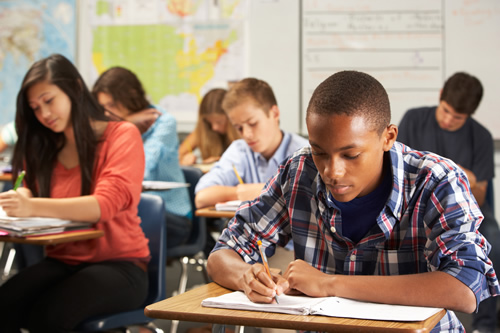
On an academic level, these neighborhoods motivate collaborative knowing, allowing students to benefit from diverse viewpoints and expertise. Sharing knowledge and sources within a community can bring about extra reliable understanding end results and enhanced scholastic efficiency.
Additionally, student communities supply a platform for personal growth and self-discovery. By involving with peers from various histories and techniques, trainees gain a broader worldview, enhancing their cultural capability and empathy. This exposure to varied viewpoints is vital in creating critical thinking and problem-solving skills.
In addition, active engagement in community activities can enhance pupils’ self-confidence and self-confidence. Taking on leadership functions or joining conversations and occasions fosters a sense of achievement and belonging, which is essential for overall wellness and inspiration.
Types of Pupil Neighborhoods
Trainee areas been available in numerous types, each catering to various interests and objectives. These can be extensively categorized right into scholastic, social, entertainment, and professional communities, to name a few. Each type supplies special platforms and opportunities for trainee interaction.
- Academic Communities: These are usually focused around details fields or scholastic interests. Examples include study hall, honors cultures, and departmental clubs.
- Cultural Communities: These groups concentrate on advertising cultural recognition and diversity, frequently arranging occasions and tasks to commemorate numerous traditions.
- Entertainment Areas: These include sporting activities teams, leisure clubs, and hobby-based teams that offer a break from scholastic rigors and advertise physical and mental health.
- Expert Areas: These are targeted at career development, using networking opportunities, workshops, and mentorship programs to prepare students for the specialist world.
By recognizing and engaging with the right communities, students can customize their university experiences to align with their interests and career goals, paving the way for a satisfying scholastic trip.
Building a Prospering Student Area
Creating and preserving a prospering pupil neighborhood needs effort and collaboration from both trainees and universities. It starts with cultivating an inclusive environment student learning support page where all students feel invited and valued regardless of their backgrounds.
Establishments can support this by providing resources and centers that motivate communication and participation. This includes developing physical areas like pupil unions and on-line platforms that help with interaction and cooperation. Furthermore, organizing occasions, workshops, and workshops can better boost interaction, supplying students with opportunities to link and gain from each other.
Leadership and Student Participation
Effective leadership is essential in nurturing a successful pupil neighborhood. Management functions within these areas offer students a possibility to create and show their business and interpersonal skills. Students who think these duties add considerably to establishing the tone and instructions of their neighborhoods, influencing their peers favorably.
Urging leadership and energetic participation among pupils not just strengthens the area however likewise encourages people, preparing them for future obstacles. By cultivating a society of partnership and support, trainee neighborhoods can grow, leaving a lasting influence on their members and the scholastic environment overall.